For this blog exit project I’ve had a very long process in making my blog well developed and to have solid information that matches my topic and that is appropriate. I created 10 posts for this blog including images, obitchuarys, diaries, and a bibliography and much more. My topic for this blog is the industrial revolution the expansion of railroads. My posts went through a couple revisions leading to changes some minor some big.
For the first blog post I made a very informative timeline naming and explaining important information and dates from 1645-1851. In this blog post I took information from an informative packet that Ms.Sackstein let me look at and I pulled out important dates from a certain period of time to another and then I made it into a timeline. I decided to make a timeline my first post because I felt that it was an easy way to start and would set the tone for the rest of the project that it would be not to challenging but not a piece of cake, and this is what I wanted.
My second blog post I made was also a very informative piece but it was an essay. Surprisingly I expected this blog post very challenging but it wasn’t. This post started off with a lot of information but I didn’t know what to do it did not match any genre so then I though I could change it into an essay and I would just add more information so it would match the length of an essay which it did.
My third post was very similar to my second post I just wrote down random information on my topic and posted it then I didn’t know what genre I should put it in and then I finally decided to write it as a diary entry. I thought it was very creative. I choose to make this post into a diary because the format and tone of the 1st post matched it in a way that I identified it clearly enough I saw a door open and I went through it that’s how I ended up with this final post.
My fourth post is a letter from Samuel Slater who is the finder and inventor of the first locomotive railroad to his mother back in the United Kingdom because he came from the UK to come to America to live the dream and get his inventions further. I found the idea to create this post from my third post because I found that letters and diary entry’s are very similar but they weren’t in the same genre so it would come about to another genre so I made this.
My fifth post is my bibliography full of information linking where I got all of my information. I have web sources, image sources, primary sources, and some book sources. I evolved to a much better writer when it comes down to bibliography I can identify it and explain it.
My sixth post is an obitchuary based on James Watts who created the first steam engine, now Watts is a very interesting character he created the steam engine a few times to correct on his mistakes and improve. In the beginning of the school year I did not know what an obitchuary is until Ms.Sackstein taught me what it was. This blog post started, as a monologue but it didn’t sound good so I changed it to an obitchuary and then from there I added more information and transformed it into an obitchuary.
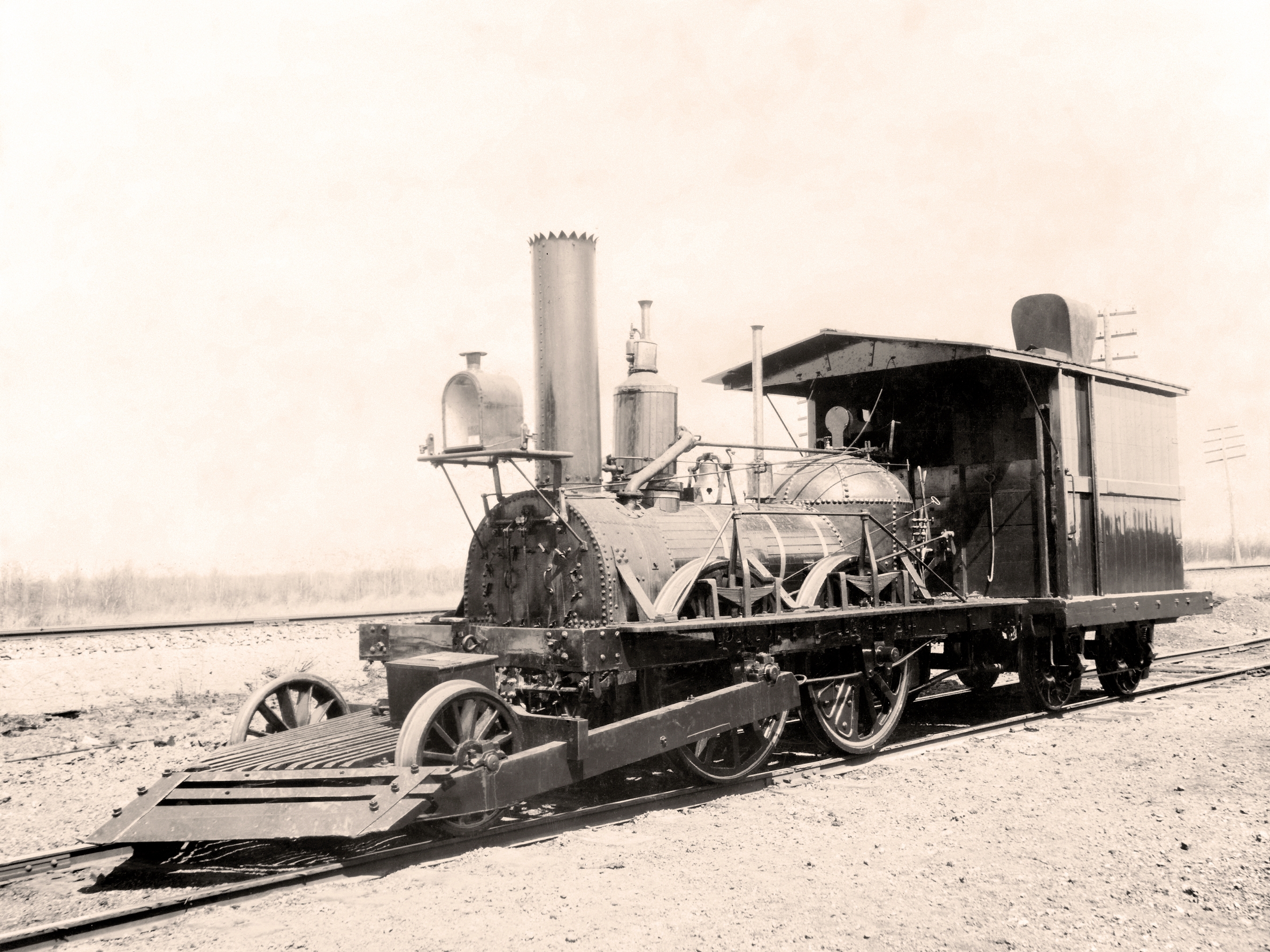
My seventh post is a post focusing on Samuel Slater, Richard Trevithick and their creation of the first locomotive railroad named the John Bull. It is a one-act play on both of them. The scene is just one day both of them find time to relax and then start discussing the future plans and goals and predictions with the locomotive.
My eighth and ninth post are two images involving railroad expansion and locomotive railroads. My tenth post is a glossary defining all challenging words used through out this blog or linking with my topic and its discussions.
Thursday, June 5, 2008
Statement of Process

Tuesday, May 27, 2008
Glossary
Conestoga Wagon- A freight wagon usually with a canvas cover and drawn by six horses
Engineer- A person who knew how to make and repair engines in eighteenth-century England; The person on trains who controls the locomotive
Fireman- The person on steam locomotives who shovels coal into the firebox; The person who stoked the firebox of any steam engine before the invention of the locomotive
Knuckle Coupler- A device for connecting rail cars to each other
Locomotive- An engine that pulls rail cars
Manufacture- To make, usually by machine
Prairie Schooner- A wagon used by settlers moving westward in the early to med-nineteenth century
Steam Blast- A pipe for capturing steam exhaust on a steam engine
Technology- Methods and machines used in doing things
Vacuum- T he absence of air; In Watts steam engine, the air-less space in the condenser after steam had been converted back into water
Wagon Trails- Groups of nineteenth-century settlers traveling together, usually to western territories
Wagon way- Crude wooden rails for guiding coal wagons prior to the invention of the locomotive
Thursday, May 22, 2008

Tuesday, May 20, 2008
First locomotive railroad(1 act play)
Samuel Slater- The economy is going to live on us after this invention
Richard Trevithick- Yeah we really out did ourselves on this one
Samuel Slater- Today is the opening day of our first locomotive
Richard Trevithick- I think John Bull was a great name to call this
Samuel Slater- I think its a little weird how the two people who created this are both from England
Richard Trevithick- Yeah and its not to long ago that we lost another war to the US
Samuel Slater- Actually only 3 decades ago was our last war with the US
Richard Trevithick- Hopefully we will set an example for every one else and advertise railroads in America
Samuel Slater- Do you think that we will have a rapid sales for this
Richard Trevithick- Yes of course and who ever doesn't buy a ticket is not making the right choice from my opinion
Monday, May 19, 2008
Steam Engine (Obitchuary, James Watts)
In 1776 an English inventor James Watt created a practical steam engine, he improved on earlier designs of the steam engine. In the engine Watts created he made it so heated water created steam, then the steam created pressure that moved pistons, a piston is a machine that moves up and down. Pistons are found helpful around all machines from small looms to giant locomotives.
Bibliography
http://commons.wikimedia.org/wiki/Image:John_Bull.jpg
http://www.outfitters.com/illinois/history/ilrails.html
Primary sources
copyright 2001 Jackdaw Publications, Div. of Golden Owl Publishing Co., Inc. P.O. Box 503, Amawalk, NY 10501, Phone: 914-962-6911 Fax: 914-962-0034. Jackdaw 605M All rights reserved. Printed in U.S.A. ISBN: 1-56696-213-7
Jackdaw Publications P.O. Box 503 Amawalk, New York 10501, Tel:(914) 962-6911 Fax:(914) 962-0034, Jackdaw Portfolio No. A32 Copyright 1977 Printed in U.S.A. ISBN#1-56696-052-5
Book sources
Matthews, John. The Railroad. canada: Inventions that shaped the world, 2005.(Matthews 9-10)
Link, O. Winston, and Thomas H. Garver. The Last Steam Railroad in America. New York: Harry Abrams, 2000
Web sources
Sanders, E (1997). edsanders.com - History Index. Retrieved May 16, 2008, from edsanders.com - Railroad History Web site: http://edsanders.com/railroad/history.htm